
IPL in January? Has Cricket’s Biggest T20 League Earned the Right to Reshape the Global Cricket Calendar?
मुख्य उत्तर: IPL को जनवरी में स्थानांतरित करने का सुझाव जूही चावला ने 9 नवंबर 2026 को ललित मोदी के प्रस्ताव का समर्थन करते हुए दिया। हालांकि, जनवरी में आयोजन का कोई आधिकारिक निर्णय घोषित नहीं हुआ है। मुख्य तथ्य: - 9 नवंबर 2026: जूही चावला ने IPL के जनवरी आयोजन का समर्थन किया। - ललित मोदी ने जनवरी या अक्टूबर-अप्रैल के विस्तृत कैलेंडर के विकल्प सुझाए। - IPL का पारंपरिक आयोजन मार्च-मई और कभी-कभी जून की शुरुआत तक होता है। - 2020 और 2021 में महामारी के कारण UAE में वैकल्पिक समय-सारणी अपनाई गई। - BCCI सचिव देवजीत सैकिया के अनुसार मार्च में कुछ पहले शुरुआत करने पर चर्चा हुई थी; जनवरी स्थानांतरण की पुष्टि नहीं हुई। स्रोत: NDTV Profit, 10 नवंबर 2026; India Today, 10 नवंबर 2026; The Indian Express, 10 नवंबर 2026। संबंधित प्रश्न: प्रश्न: IPL को जनवरी में आयोजित करने का सुझाव किसने दिया? उत्तर: पूर्व IPL अध्यक्ष ललित मोदी ने जनवरी का सुझाव दिया और KKR सह-मालकिन जूही चावला ने उसका समर्थन किया। प्रश्न: क्या BCCI ने जनवरी में IPL आयोजित करने की पुष्टि की है? उत्तर: नहीं, उपलब्ध रिपोर्टों में जनवरी स्थानांतरण की आधिकारिक पुष्टि नहीं है। प्रश्न: जनवरी में IPL आयोजित करने की सबसे बड़ी चुनौती क्या है? उत्तर: अंतरराष्ट्रीय क्रिकेट प्रतिबद्धताएं, खिलाड़ियों की उपलब्धता, उत्तर भारत में कोहरा और ओस तथा घरेलू क्रिकेट कैलेंडर।
The television pictures from an Indian Premier League evening are familiar: a packed stadium, floodlights, powerful hitting and spectators following every delivery. Yet the experience inside the ground can be very different. A fast bowler completing a long spell, a wicketkeeper spending hours in protective equipment and a batter trying to maintain concentration in extreme heat all face conditions that a conventional scorecard cannot record.
That contrast returned to the centre of the IPL calendar debate on November 9, 2026, when Kolkata Knight Riders co-owner Juhi Chawla supported former IPL chairman Lalit Modi's suggestion that the tournament should consider moving from its traditional April-May window to January. Chawla argued that the IPL had grown sufficiently powerful to influence the cricket calendar rather than continually adjust to it. Her central proposition was straightforward: better conditions could mean better cricket and a better experience for everyone.
The suggestion, however, raises a much larger question. Has the IPL become powerful enough to reshape the international calendar, and would January actually be the best month for the competition?
The calendar debate has moved beyond scheduling convenience and into the question of who holds influence over the structure of modern cricket.
The summer problem behind the proposal
Since its launch in 2026, the IPL has developed into the most commercially influential T20 franchise competition in cricket. Its traditional March-to-May schedule evolved around international availability, Indian viewing patterns, broadcaster requirements and the practical demands of running a large domestic tournament. Some editions have extended into early June.
But April and May bring difficult conditions to several Indian venues. Temperatures in cities such as Delhi, Ahmedabad, Chennai and Kolkata can exceed 40 degrees Celsius. Humidity varies between locations, while evening matches can retain the effects of daytime heat.
The consequences extend beyond the players. Ground staff, security personnel, broadcast crews and spectators also spend considerable time working or watching cricket in demanding conditions. A competition that places great emphasis on the spectator experience must also consider the physical comfort of those attending its matches.

Chawla's intervention brought this issue into the public debate. If the IPL can choose a more comfortable period, why should it continue to occupy some of India's hottest months?
Modi's proposal was broader. Alongside a January start, he suggested examining a carefully structured October-to-April competition calendar. His argument is that the IPL has sufficient commercial strength and global appeal to influence the wider cricket schedule.
January solves one problem but creates others
January may offer more comfortable daytime temperatures across several Indian venues. However, India's geography makes it difficult to describe the entire country as having one uniform winter playing condition.
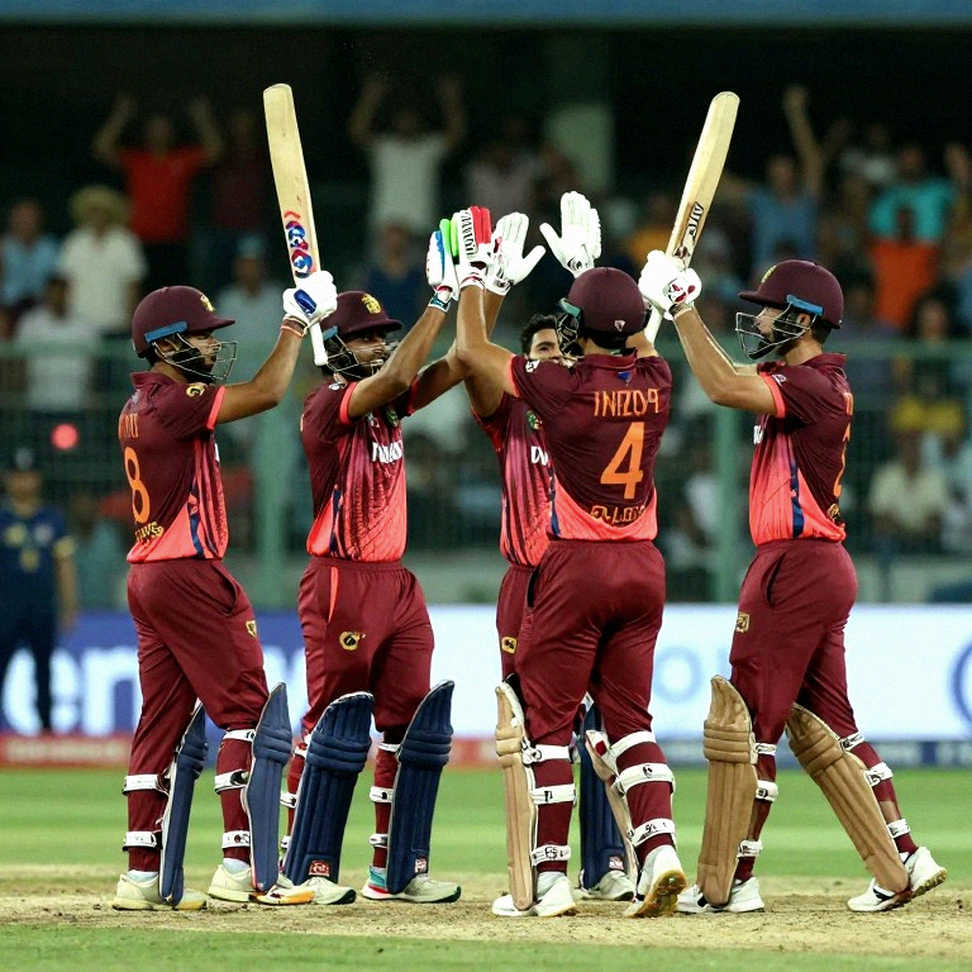
Northern venues can experience dense fog and low evening temperatures. Dew can also become a significant factor in night matches, affecting grip, spin bowling and the control of fast bowlers. Teams batting second may gain an advantage when the ball becomes wet.
Moving the IPL away from summer heat would therefore change the environmental challenges rather than eliminate them.
Years of watching Indian domestic and international cricket have reinforced one important lesson: weather is an active part of a match's tactical environment. It influences bowling changes, fielding intensity, energy management and the way captains approach the toss. A credible proposal for a new window must therefore include venue-specific weather assessments rather than assume that January automatically offers ideal conditions.
The international calendar presents an even greater obstacle. January falls within an important period of India's home international season, which generally runs from October to March. A January IPL would require the BCCI to balance its international commitments against its most valuable domestic competition.
Overseas availability would be equally complicated. Australia's international and domestic cricket commitments are significant during January. Players from South Africa, New Zealand and England may also have national duties during the proposed window.
Buying a player at auction and securing that player's availability throughout an entire tournament are two different matters. Modi has acknowledged that international commitments and player releases would need to be managed. Yet administrative permission cannot guarantee that a leading international player will be available for every match.
Commercial power and the limits of the EPL comparison
Modi compared the IPL's position in cricket with that of the English Premier League in football. His argument is that successful sporting competitions establish their influence through their product, clubs, supporters, talent and commercial model rather than relying on permission from other organisations.
There is considerable merit in recognising the IPL's commercial influence. Broadcasting rights, sponsorships, franchise investments, advertising and digital audiences have made the tournament central to the cricket business.
However, the administrative structures of football and cricket are different. Cricket involves national boards, the ICC, bilateral international series and franchise competitions that depend on many of the same players. The availability of a leading cricketer is directly connected to commitments made to different organisations and national teams.
The EPL comparison is useful when discussing commercial influence, but it cannot automatically determine how cricket's calendar should operate.
The IPL's economic strength gives it influence; the way that influence is exercised will determine its long-term credibility.
Broadcasting is another important consideration. Modi has argued that a revised calendar could create more valuable broadcasting inventory and strengthen the financial foundations of Indian cricket.
A January IPL could create new commercial opportunities, but it would also overlap with other important competitions. Australia's Big Bash League, South Africa's SA20 and the UAE's ILT20 compete for international players, sponsors, broadcasters and viewers.
The central commercial question is whether simultaneous competitions would create more value or divide the attention of audiences and advertisers. Being the largest player in a market and designing the best arrangement for that market are different responsibilities.
The September-November precedent
The IPL has already demonstrated that it can operate outside its traditional summer window. During the Covid-19 pandemic, the 2026 season was staged in the UAE between September and November. The disrupted 2026 season was also completed in the UAE during September and October.
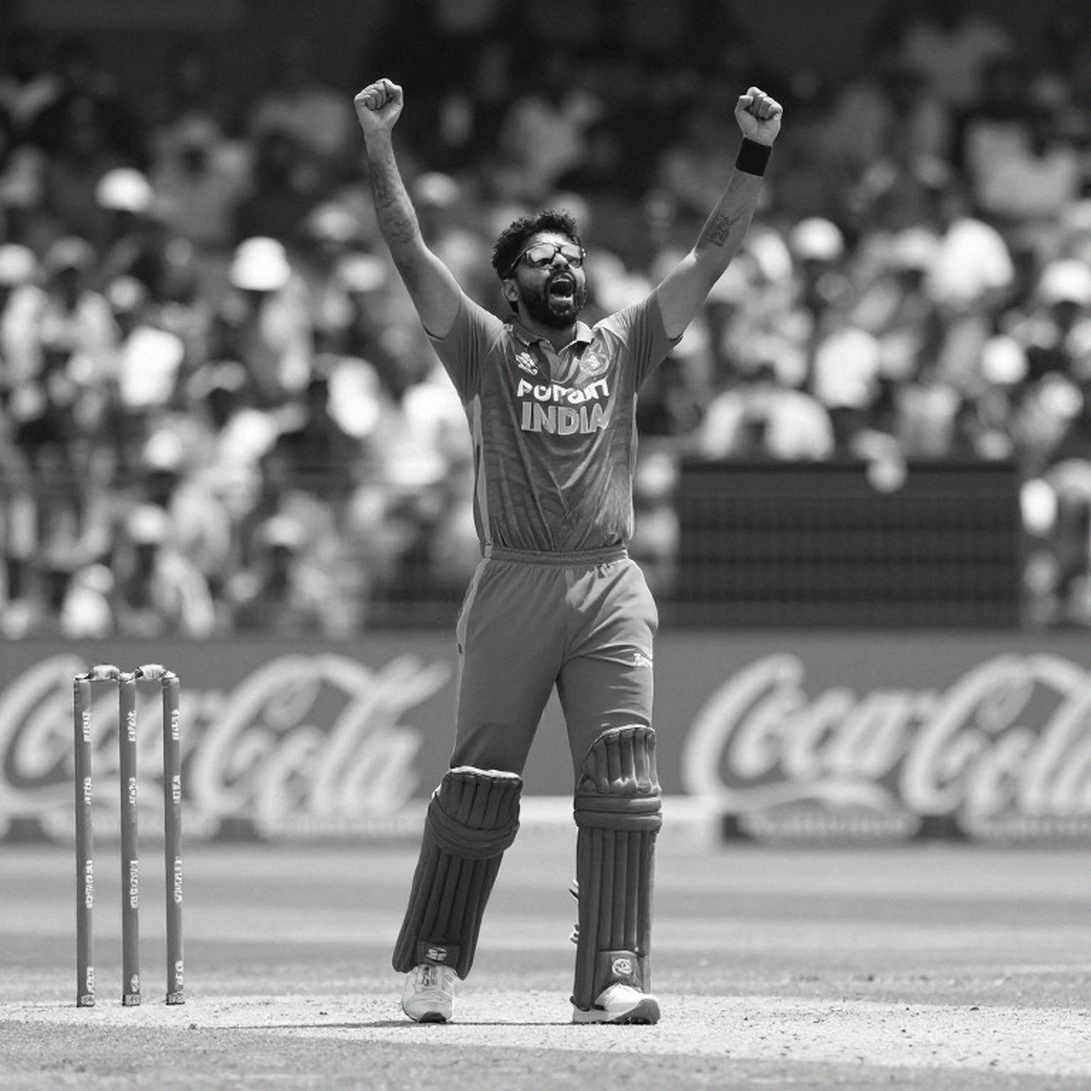
These editions demonstrated that the competition could function outside its conventional April-May schedule, although extraordinary circumstances, venue relocation and extensive administrative planning were required.
They do not prove that January is the ideal alternative. They do, however, provide an important reference point for future scheduling discussions.
The September-November period also presents difficulties. India's monsoon season affects different regions at different times, while international cricket and major global tournaments can occupy parts of the same period. Nevertheless, the pandemic editions showed that the IPL's traditional calendar is not the only possible arrangement.
A serious review should compare different windows using weather information, player availability, venue conditions, recovery periods and broadcasting requirements. January should remain an option to be tested rather than a conclusion reached before the evidence is examined.
Players are central to the argument, but where is their voice?
Modi has argued that leading cricketers understand the financial opportunities offered by the IPL and that tournament earnings represent a substantial proportion of annual cricket income for many international players.
That financial attraction is real, but economic interest and physical availability are separate questions. Fast bowlers, wicketkeepers and batters face different demands during long periods of high temperatures. Any player-welfare assessment should consider humidity, time spent on the field, training sessions, travel, recovery and the frequency of matches.
A January schedule might reduce exposure to extreme summer heat, but it could increase workload conflicts with international cricket. Greater travel and fewer recovery opportunities could affect player availability and injury risk.
The debate therefore needs input from players' associations, team medical staff and performance specialists. The main public arguments so far have come from franchise ownership and former administrative leadership. A proposal concerning when players work should also include the views of those players.
What the BCCI is actually considering
It would be premature to interpret the public endorsements as an official scheduling decision. Chawla's comments represent the position of a franchise co-owner. Modi is the IPL's founder and former chairman, but he does not currently hold decision-making authority within the BCCI or IPL governing council.
A report published by India Today on November 10, 2026, quoted BCCI secretary Devajit Saikia as saying that the board and IPL governing council had discussed the possibility of beginning the tournament somewhat earlier than the end of March. The stated concerns were rising heat and the possibility of pre-monsoon rainfall towards the end of the competition.
This is significantly different from moving the entire tournament to January. Starting earlier in March would involve a relatively limited adjustment to the existing structure. A January start would require a much wider restructuring of international cricket, player availability and broadcasting arrangements.
One practical approach would be to examine an earlier start within the existing seasonal framework. The BCCI could combine that review with venue-specific weather data, revised match timings and a workload assessment.
A more ambitious approach would involve discussions with the ICC and other national boards about a multi-year calendar. That would provide greater certainty for the IPL while allowing other competitions to plan around a transparent international schedule.
The responsibility behind the IPL's commercial success
The IPL did not develop in isolation from Indian cricket's domestic structure. The Ranji Trophy, state associations, age-group competitions and domestic selection pathways remain important to the development of future international players.
A calendar that gives the IPL overwhelming priority could create new scheduling conflicts for domestic first-class cricket and national-team players. This does not require a nostalgic argument against franchise cricket. The IPL has created opportunities for talent identification and professional earnings that were less accessible in earlier eras.
However, the long-term strength of Indian cricket cannot depend entirely on the popularity of one competition. It also requires domestic structures where players can develop technique, discipline and endurance over several seasons.
There is another distinction within the original proposals. Chawla supported the January option, whereas Modi suggested both a January start and a broader October-to-April structure. These are different ideas. One proposes a specific starting month; the other seeks a much wider transformation of the cricket calendar.
The next test
By the time a match report reaches the night desk, the scorecard may already contain every run and wicket. Yet the story often lies in the circumstances that the numbers cannot capture. The IPL calendar debate has the same character: player welfare, spectator comfort, broadcaster interests, franchise economics and international cricket all intersect.
The IPL has unquestionably earned the influence necessary to demand a serious review of its scheduling. But any move to January should be supported by evidence concerning heat, dew, fog, international commitments, domestic cricket and player workload.
A competition's greatness is measured not only by how large it becomes, but also by how responsibly it uses its power to protect the future of its sport.
The most meaningful test of a January calendar would be whether it provides players with safer conditions, adequate recovery and reliable availability while preserving the strength of Indian domestic cricket and international competition.
The IPL may have earned the right to influence the calendar. Its next achievement should be to create a structure in which players, spectators, domestic cricket and international cricket strengthen one another rather than compete for the same limited space.