
Prasidh Krishna Cleared Fit for All Formats, Set for Red-Ball Return Via New Zealand A Fixture
प्रश्न: प्रसिद्ध कृष्ण फिट हुए या नहीं? उत्तर: हां। BCCI सेंटर ऑफ एक्सीलेंस (CoE), बेंगलुरु ने दो दिवसीय सिमुलेशन टेस्ट के बाद उन्हें सभी प्रारूपों के लिए फिट घोषित किया है। प्रश्न: वे कहां वापसी करेंगे? उत्तर: न्यूजीलैंड दौरे पर इंडिया A की ओर से न्यूजीलैंड A के खिलाफ तीसरे और अंतिम अनौपचारिक टेस्ट में, यानी बहु-दिवसीय रेड-बॉल क्रिकेट से। रिपोर्ट के अनुसार वे अगली उपलब्ध फ्लाइट से रवाना हो सकते हैं। प्रश्न: इस क्लीयरेंस का सटीक अर्थ क्या है? उत्तर: यह मेडिकल और प्रशासनिक उपलब्धता का बयान है, मैच-फिटनेस या सीनियर टीम में चयन की गारंटी नहीं। 'हर प्रारूप के लिए फिट' का मतलब है कोई चिकित्सीय प्रतिबंध नहीं, न कि हर प्रारूप में तीक्ष्णता सिद्ध। प्रश्न: क्लीयरेंस किस आधार पर दिया गया? उत्तर: दो दिवसीय सिमुलेशन टेस्ट के आधार पर, जो नियंत्रित माहौत में गेंदबाजी वर्कलोड का अनुमान है। यह प्रतिस्पर्धी बहु-दिवसीय मैच का पूर्ण विकल्प नहीं है, इसलिए संचयी भार पर जोखिम पूरी तरह समाप्त नहीं होता। प्रश्न: मुख्य जोखिम क्या हैं? उत्तर: पहला, पहली बहु-दिवसीय प्रतिस्पर्धा में चोट की पुनरावृत्ति (मध्यम संभावना, उच्च प्रभाव)। दूसरा, 'हर प्रारूप के लिए फिट' शीर्षक से अपेक्षाओं का बढ़ जाना। तीसरा, कम तैयारी खिड़की के साथ यात्रा। प्रश्न: आगे क्या देखा जाना चाहिए? उत्तर: न्यूजीलैंड ए मैच में प्रति स्पेल ओवर और संभावित ओवर कैप, मैच के बाद का स्वास्थ्य अपडेट, अगले विदेशी दौर के लिए सीनियर टीम की घोषणा, और आगामी पुष्टिकारक विवरण। प्रश्न: क्या इसमें कोई वाणिज्यिक या नीलामी आंकड़ा है? उत्तर: नहीं। रिपोर्ट में ब्रॉडकास्ट, फ्रैंचाइजी मूल्यांकन, नीलामी या वेतन से जुड़ी कोई संख्या नहीं है, इसलिए कोई राशि नहीं आंकी जानी चाहिए। फ्रैंचाइजी मूल्य पर असर केवल दिशात्मक है। सारांश: यह एक नियमित, सुव्यवस्थित रिटर्न-टू-प्ले अपडेट है जिसका मुख्य महत्व भारतीय तेज आक्रमण की गहराई को कम जोखिम वाला बनाना है, न कि किसी सिद्ध प्रदर्शन-वापसी का संकेत।
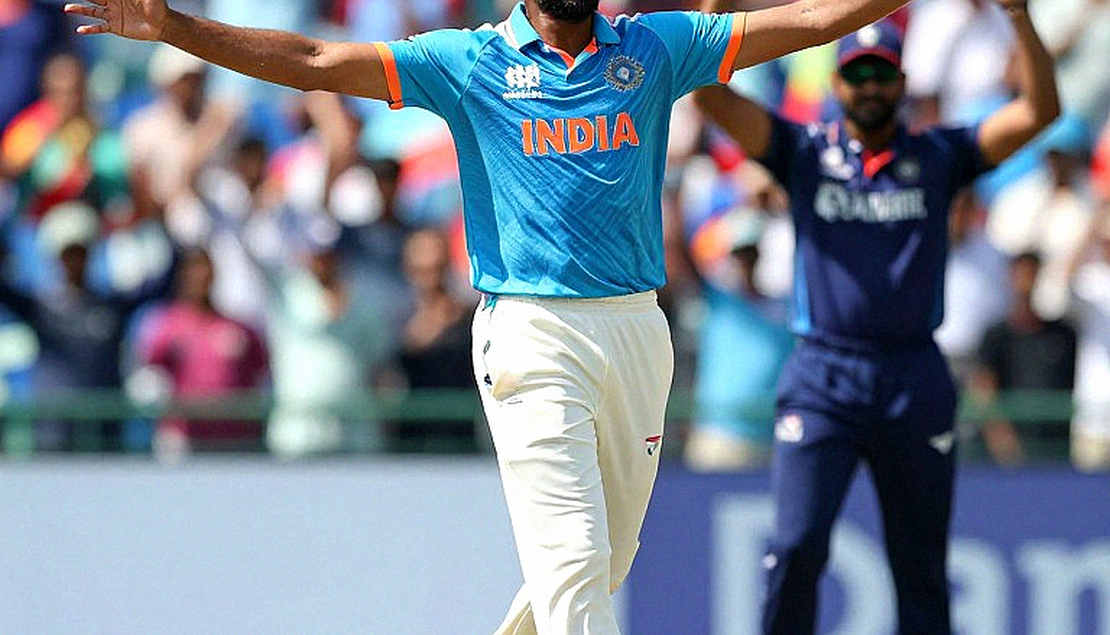
India pace bowler Prasidh Krishna has received clearance to play all formats from the BCCI Centre of Excellence (CoE) in Bengaluru after completing two-day simulation tests, according to an updating report. The medical green light clears the way for a return to competitive cricket via red-ball fare — specifically the third and final unofficial Test for India A against New Zealand A — and he is reportedly able to fly out on the next available flight.
The news is significant, but it needs to be read precisely. The clearance establishes availability. It does not establish match sharpness, and it certainly does not constitute a selection guarantee for the senior XI. The brief is explicitly an updating one, with further details promised, which means the operative facts are medical and administrative rather than performance-based.
What the clearance actually says
The most important structural fact is the route chosen. A fast bowler returning from injury is not being eased back through T20 cricket or a one-day warm-up. He is being routed straight into multi-day cricket overseas. That is a deliberately higher-risk re-entry path which presupposes a genuine fitness and workload base, not merely the absence of a medical restriction. If the medical staff had reservations about his tolerance for cumulative load, the safer option — a few domestic overs or a short-format outing — would have been preferred.
The 'fit to play all formats' phrasing is an administrative blanket clearance. In practical terms it means there is no medical restriction on his availability. It does not mean he is currently match-sharp across formats. Red-ball load tolerance and white-ball rhythm are separate physiological and technical properties. Four days of repeated spells place a different demand on the body than four high-intensity overs.
Simulation tests: a good proxy, not a guarantee
The two-day simulation is the key methodological detail in the entire report. Controlled-environment bowling tests that measure spell length, rest intervals and physiological response are standard best practice in modern sports medicine. But simulation approximates; it does not replicate. A competitive multi-day match adds the batter's response, the state of the game, extra overs forced by fielding errors, weather, and — most importantly — cumulative-over stress that often surfaces on the third or fourth day rather than the first.
So the clearance reduces risk; it does not eliminate it. The honest formulation is that the simulation lowered the probability of an adverse reaction without proving that a four-day load can be absorbed without consequence.
The 'all formats' label and hidden workload caps
Centralised CoE clearances typically come bundled with internal workload ceilings that are not publicly disclosed — an overs cap for the first game, limits on spell length, restrictions on bowling in consecutive days. This gap between the public headline and the managed reality is routine, not a violation. The practical implication for anyone watching the New Zealand A fixture is that the scorecard alone will not tell the story. Overs per spell, the gap between spells, and whether he is used in the final session of a day will be more informative than any wicket column.
Injury history: the central omitted variable
No injury details are provided in the brief, and that omission matters more than anything else for projecting recurrence. The report is silent on the nature of the injury, the length of the layoff and the prior recurrence pattern. That is normal for an updating brief, but it means any assessment of durability rests on general patterns rather than case-specific evidence.
In general fast-bowling medical patterns, the most common load-related injuries are soft-tissue and lumbar stress injuries, both directly connected to cumulative bowling volume. For a bowler with that profile, a blanket 'all formats' clearance carries a conditional rather than unconditional durability implication. There is also the well-established pattern that a quick returning after a long layoff shows a modest rhythm deficit in the first one or two competitive outings regardless of how clean the medical clearance is.
Team-level significance: depth de-risking
India's structural weak spot in overseas conditions has long been seam depth rather than spin, and SENA tours are where that gap matters most. A fit, hostile fast bowler who extracts bounce and bowls an aggressive full length is precisely the tool suited to bouncier overseas surfaces and to sides that struggle against the short ball; the same profile is less useful on low, slow subcontinental tracks.
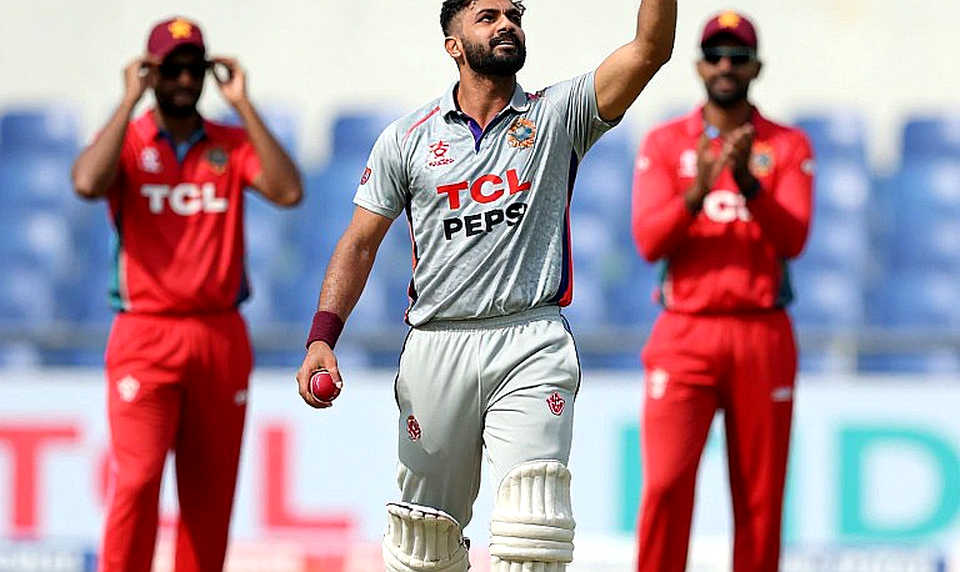
The operative value here is rotation freedom. Heavy away schedules place a disproportionate load on frontline quicks and raise injury risk across the attack. Restoring an additional option reduces that pressure and broadens selection choice — standard depth de-risking rather than a dramatic upgrade.
Routing him through India A rather than straight into the senior side also reflects a graded return protocol. A-team multi-day fixtures are frequently used as a selection shop window for the next away cycle, so the fixture doubles as a live audition. Strong output could accelerate senior reintegration; a flat outing could delay it.
Conditions and the travel window
New Zealand conditions are seam- and swing-friendly, with cooler weather that assists movement and suits a hit-the-deck quick technically. The same conditions raise soft-tissue risk because cold-weather muscles take longer to warm up. The environment therefore cuts both ways — favourable for the craft, demanding on the body.
The 'next available flight' detail implies urgency and, by extension, a compressed arrival-to-play window. Limited preparation time on arrival is a real factor and should be priced into expectations for that third A game.
Governance read
The mechanism on display is a centralised return-to-play protocol in which the board's medical arm — not the player, not a franchise — is the gatekeeper. This is good-practice framing and the modern standard for injury governance. It also clarifies the correct reading of the headline: 'cleared' means medically unrestricted, not selected. The absence of disclosed injury specifics or workload caps is a transparency gap common to updating reports rather than a compliance issue.
Commercial dimension: directional only
The brief contains no broadcast, franchise valuation, auction or salary data. Any rupee figure would be fabrication, so none is offered. The only defensible link is indirect: sustained fitness on a frontline quick is commercially relevant to IPL franchises because availability affects retention and right-to-match valuation. That is a directional observation, not a quantified one. There is no league-versus-country conflict here either — availability serves both.
Risk matrix
The dominant risk is physiological, not commercial or integrity-related. Injury recurrence under a first multi-day load, after only a two-day simulation, carries medium likelihood and high impact; mitigation lies in graded spells, an overs cap and continued monitoring. A second, medium-level risk is expectation inflation: the blanket 'all formats' headline invites the reading that he is fully match-fit and immediately selectable. A third is the compressed travel-to-play window reducing preparation. Rules and integrity risk is low, since this is a routine medical clearance.
Overall risk rating: medium. Manageable, but non-trivial for a load-sensitive bowling profile returning straight into red-ball cricket.
What to track next
First, actual workload in the New Zealand A game — overs per spell and whether any spell is cut short. Second, post-match medical updates and any follow-up detail the report has promised; disclosure of the injury name or a workload plan could materially sharpen or soften the reading. Third, senior squad announcements for the next away cycle, which would confirm escalation from availability to selection. Fourth, indirect franchise signals near auction windows, with no figures to be inferred.
Bottom line
This is a routine, well-governed return-to-play update. Prasidh Krishna has secured a centralised medical clearance after controlled simulation testing and is being routed through red-ball A-team cricket in New Zealand. Its true significance is the restoration of availability and the de-risking of India's pace depth — not any demonstrated performance recovery. 'Fit to play all formats' is an administrative and medical clearance, not a match-readiness certificate or a selection guarantee. Treat it as availability, watch the workloads, and wait for the follow-up detail before drawing conclusions about sharpness.